The Cacao Ceremony – Sacred Origins, Mayans, Lake Atitlán, & Yoga
The Cacao Ceremony – Sacred Origins, Mayans, Lake Atitlán, and Yoga
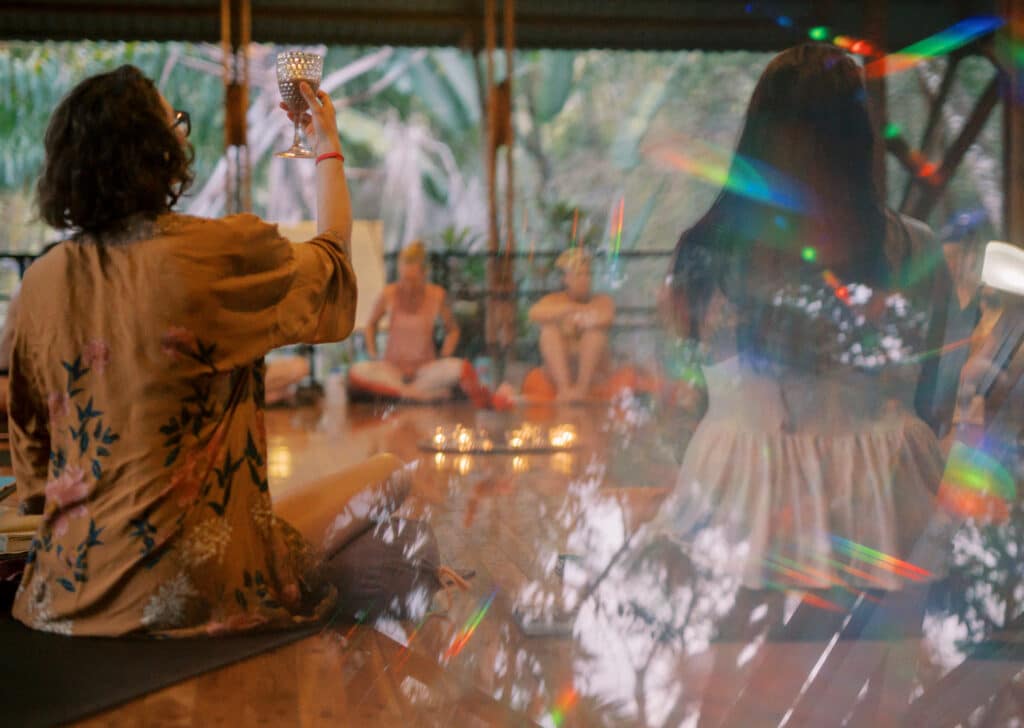
It is hard to imagine a life that hasn’t at some point been touched by chocolate. Cacao, the raw form of chocolate, comes originally from the Central American highlands of Guatemala and Mexico. Before being turned into the ultra-processed chocolates that are most common today, cacao is very healthy and has an abundance of vitamins, minerals, and other fun alkaloids that interact with your brain chemistry. Whether you’ve sipped a rich, warm cacao drink under the volcanoes of Lake Atitlán, Guatemala or felt its spirit at a sunrise yoga gathering, drinking cacao in a cacao ceremony carries a long history. From sacred plant-medicine ceremonies in ancient temples to the yoga retreats and spiritual communities of today, we hope this overview guides you toward understanding the true beauty of this magical and beautiful plant.
Ancient Beginnings: Cacao as “Food of the Gods”
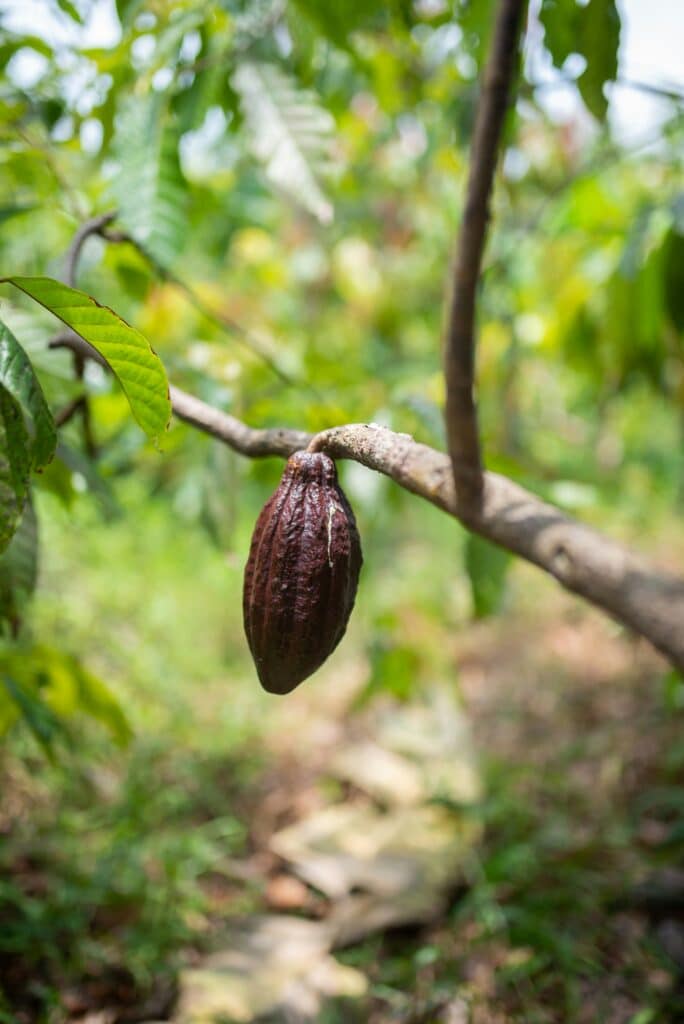
The story of cacao begins long before the sweet chocolate bars we know today. The cacao tree, Theobroma cacao was domesticated over 4,000–5,000 years ago in what is now Central and South America, likely first cultivated in the humid lowlands of southern Mexico and Guatemala. Indigenous cultures revered cacao as sacred, valuable, and powerful. The beans were used as trade in much of what now is Mexico and were valued similarly to the precious stones of gold and turquoise!!
The Latin name “Theobroma” literally means “food of the gods,” a fitting name for how deeply cacao was woven into ancient cosmologies.
Maya & Aztec Traditions: Ritual, Plant Medicine, and Celebration
For the Maya, cacao is far more than a drink. Cacao is a symbol of life, fertility, and transformation. Ancient Mayan glyphs and pottery show cacao used in ceremonies, community feasts, and rites of passage. Cacao was shared in a communal process – made, poured, and consumed together – a social and spiritual act that united communities.
Aztec culture elevated cacao even further. The Aztec call the bitter, frothy cacao drink xocolatl, or “bitter water.” Cacao for them is considered a gift from Quetzalcoatl, the feathered serpent deity. Cacao has always been revered by the Aztec people, offered in temple rituals, and used in sacred rites.
Cacao beans also functioned as currency throughout Mesoamerica. Tribute lists from the Aztec empire show cacao beans accepted in payment for goods and services. The cacao beans could buy tamales, textiles, or even luxury items.

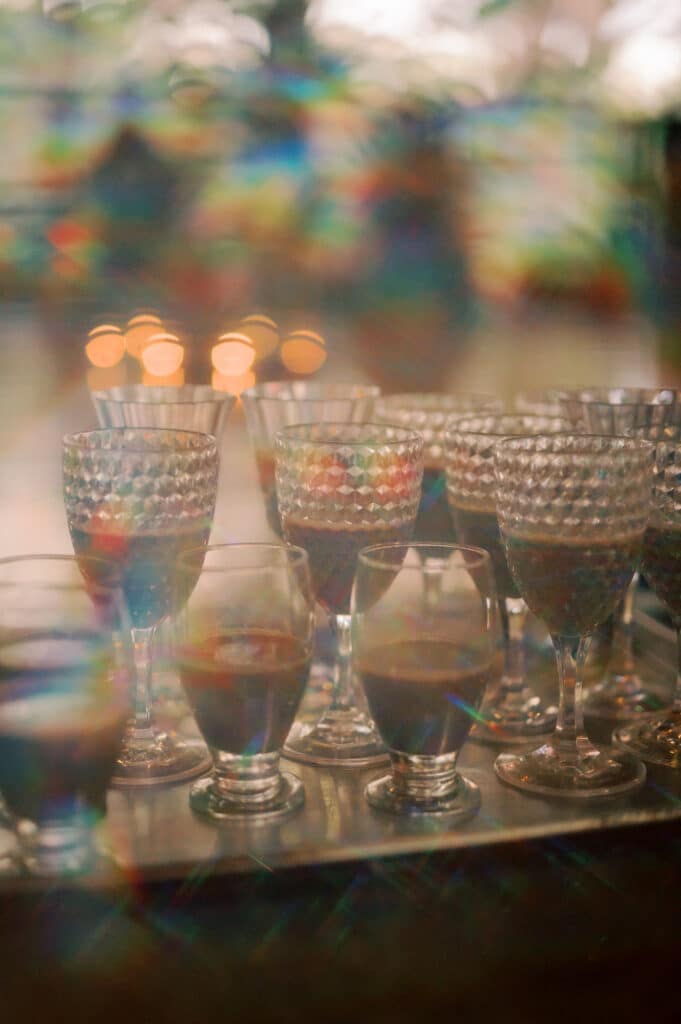
Pouring the cacao for a ceremony at Mystical Yoga Farm
Join a Retreat or Training with a Cacao Ceremony
Evidence of Ancient Trade: Cacao Beyond the Tropics
Remarkably, the reach of cacao extended far beyond its tropical homeland. At Chaco Canyon in New Mexico, archaeologists found chemical residues of cacao in ceremonial vessels, indicating that cacao drinks were consumed there as far back as the 11th century.
This suggests extensive trade networks between Mesoamerican cultures and indigenous peoples of what is now the American Southwest. Some researchers propose that prized goods like turquoise might have moved in the opposite direction along these exchange routes, as turquoise was mined in Chaco Canyon.
Europeans Discover Cacao and Create Chocolate
When Spanish conquistadors encountered cacao in the 1500s, they brought beans and the Aztec drinking practices back to Europe. Initially an exotic medicinal luxury at Spanish courts, cacao quickly spread across the continent. Europeans sweetened the bitter Mesoamerican brew with sugar, added spices like cinnamon, and eventually created the chocolate bars we recognize today.
Over time, chocolate transformed from sacred and ceremonial into commercial and ubiquitous, evolving into candy bars, desserts, drinks, and sweet treats enjoyed around the world.
A New Cacao Ceremony Emerges: Lake Atitlán and Modern Cacao Ceremonies
Lake Atitlán — A Global Hub of Cacao Ceremony

While ancient cultures used cacao in ritual, the modern cacao ceremony as a structured spiritual experience, often paired with meditation, breathwork, mantra, and intention setting, traces its recent roots to the Lake Atitlán region of Guatemala in the early 2000s.
There, local and visiting facilitators began hosting ceremonies using pure, minimally processed cacao paste that was produced in nearby cacao farms. What started as localized spiritual gatherings quickly spread, through travelers, yoga communities, and retreat circles, into a global phenomenon. Today, the cacao ceremony is a staple at yoga studios, ecstatic dance events, transformational festivals, and wellness retreats worldwide.
Important note: The term “ceremonial cacao” is not regulated and what one company labels “ceremonial grade” may differ significantly from another. At its best, ceremonial cacao refers to carefully fermented, high-quality beans prepared with intention and minimal processing.
Discover Retreats & Trainings in Guatemala
Cacao As A Plant-Medicine: The Modern Science
Cacao is often described as a plant medicine, not because it creates visions or altered states in the way psychedelics do, but because of its unusually rich biochemical profile and the way it subtly shifts mood, perception, and emotional openness. Raw cacao contains hundreds of bioactive compounds, including naturally occurring psychoactive alkaloids and neurotransmitter precursors that work together gently and synergistically.
These include theobromine (a heart-stimulating, vasodilating compound that increases blood flow and alert calm), small amounts of caffeine (far less than coffee), phenethylamine (PEA)—sometimes called the “love molecule,” associated with feelings of connection and euphoria—along with anandamide (the body’s endogenous “bliss” molecule) and compounds that slow its breakdown.
Cacao also contains tryptophan, a precursor to serotonin; tyramine, which can elevate mood and focus; salsolinol, associated with dopamine release; and various flavonoids that support brain and cardiovascular health. Rather than pushing the nervous system outward, cacao tends to soften defenses, open the heart, and increase embodied presence, which is why it has long been used in ritual, prayer, and modern ceremonial settings alongside yoga, meditation, and intention-setting.
Beyond its psychoactive and mood-enhancing compounds, cacao is also one of the most nutrient-dense plant foods on the planet. It is especially rich in magnesium, a mineral essential for nervous system regulation, muscle relaxation, heart rhythm, and stress response — one reason cacao is often experienced as calming yet energizing.
Cacao also contains significant amounts of iron (supporting oxygen transport and vitality), potassium (electrolyte balance and heart health), calcium, zinc, and copper, which play roles in immune function and connective tissue health. In terms of vitamins, cacao provides B-vitamins such as B1, B2, B3, and B5 that support energy metabolism and brain function, along with small amounts of vitamin E, a powerful antioxidant.
Cacao is one of the richest natural sources of polyphenols and flavonoids, plant compounds shown to reduce inflammation, improve blood flow, and support cardiovascular and cognitive health. Taken together, these nutrients make cacao uniquely supportive for practices like yoga, meditation, and fasting — offering nourishment, focus, and grounded energy without the crash associated with stimulants. Cacao really is an incredible plant medicine!
In the 2000s, a European chef created a cacao sniffing device for a Rolling Stones party that allowed you to have the cacao powder blown up your nose. Apparently he sold many thousands of them although I don’t think snorting this type of cacao really caught on.
The Modern Chocolate Industry: Price Volatility & Climate Vulnerability
Today cacao is a global commodity worth tens of billions of dollars annually. But the crop’s ancient lineage faces modern challenges:
Climate change is pushing global temperatures above the optimal range for cacao trees, especially in West Africa (where about 70% of the world’s cacao is grown) causing heat stress, disease, and erratic rainfall patterns that reduce yields.
These environmental pressures have contributed to sharp price increases in cacao markets. Small farmers, who produce the bulk of cacao, face economic vulnerability as climate stress diminishes yields, affects quality, and places pressure on livelihoods.
Why There Are Cacao Ceremonies at Yoga Retreats
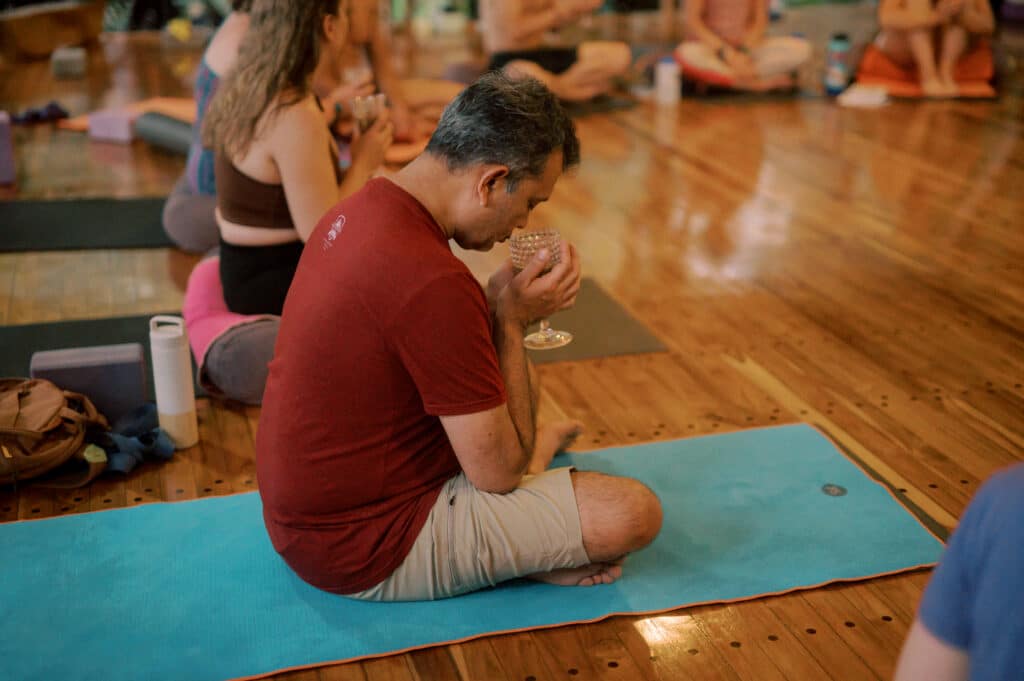
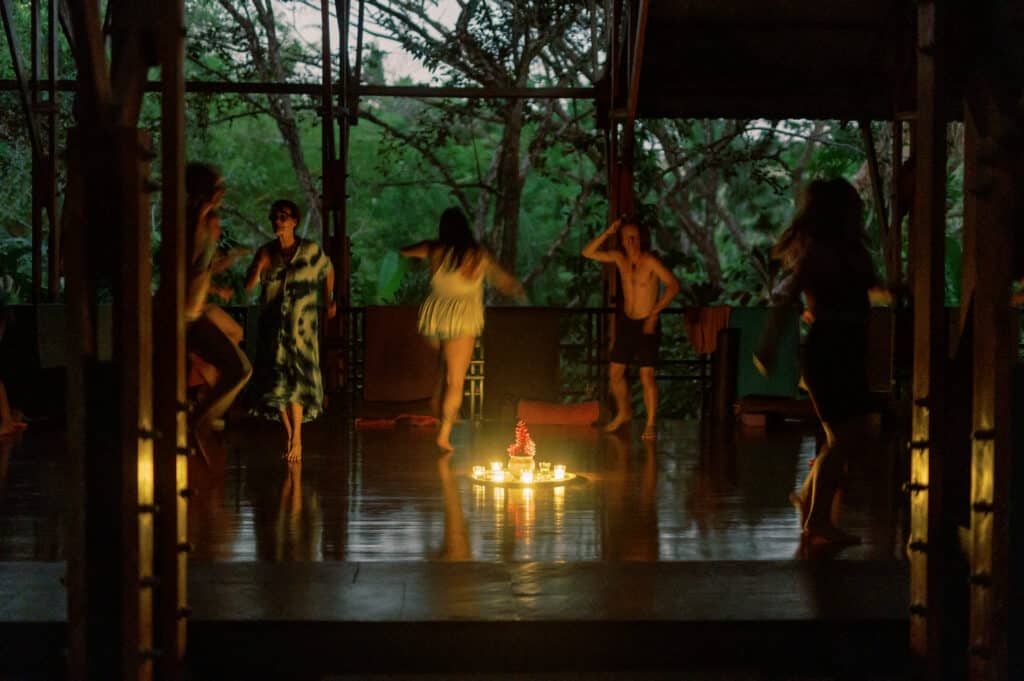
At its core, cacao bridges body, mind, and community.
It’s known worldwide as a heart-opening medicine that aligns beautifully with yoga, mindfulness, and dance.
It connects participants not only to themselves but allows one to be more open with others.
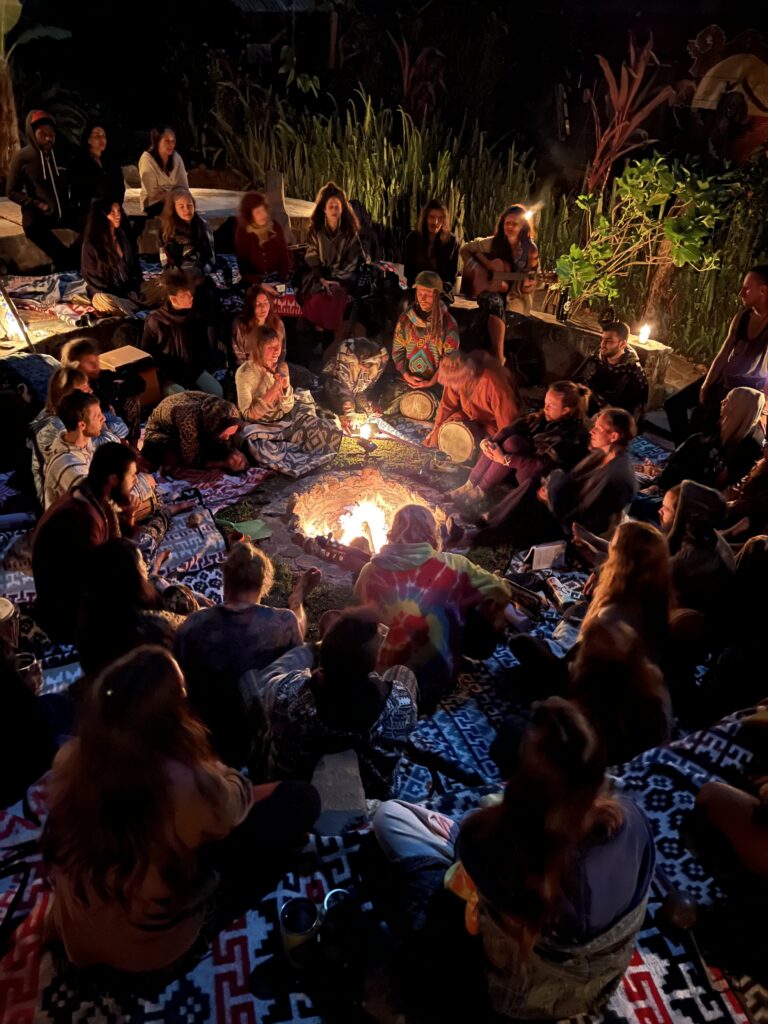
All of our retreats feature some form of cacao ceremony, either with dancing or sitting around a fire. Each year we travel to Guatemala for our plant-medicine retreat, while there sourcing really nice ceremonial cacao for our cacao ceremonies. We also have enjoyed learning new songs at different ceremonies we attend.
If you’re curious about a cacao ceremony, please join a retreat or Contact Us with your questions!
Discover Retreats & Trainings in Guatemala
Cacao Songs for Cacao Ceremony from Lake Atitlán, Guatemala
Cacaosita La Medicina
Cacaosita la medicina
Cacaosita la di ri di
Cura, cura cuerpecito
Cura, cura la di ri di
Limpia, limpia espiritito
Limpia, limpia la di ri di
Sana, sana, corazóncito
Sana, sana, la di ri di
Abra, abra corazóncito
Abra, abra la di ri di
Here is the “Cacao Spirit Song” which a friend shared with us in our first cacao ceremony and we now play for all the cacao ceremonies we share with you!
I give thanks holy father for creation of this beautiful spirit.
I give thanks holy mother giving birth to this sacred seed.
I give thanks to the sun rays of light for all beings.
I give thanks to the moon making everything fertile and fine.
Source of Live, Source of Love
Source of Happiness, Source of all.
I give thanks to the people of the earth that are solving the seeds
Of the grass roots flowers trees and all the mysteries.
I give thanks to my brothers and my sisters here with me,
Together as one we are one soul family.
heyey jambo heyey jambo heyey
Source of Live, Source of Love
Source of Happiness, Source of all.