
What Makes a Trauma Informed Yoga Retreat Safe & Supportive
What Makes a Trauma Informed Yoga Retreat Safe & Supportive
What Is a Trauma Informed Yoga Retreat?
A trauma informed yoga retreat is a retreat experience designed with a deep understanding of how trauma affects the nervous system, the body, and a person’s sense of safety, choice, and agency. Rather than pushing or forcing transformation or catharsis, trauma informed retreats and classes prioritize emotional safety, consent, empowerment, and regulation. This gentle, “trust the process” approach allows healing to unfold at YOUR own pace.
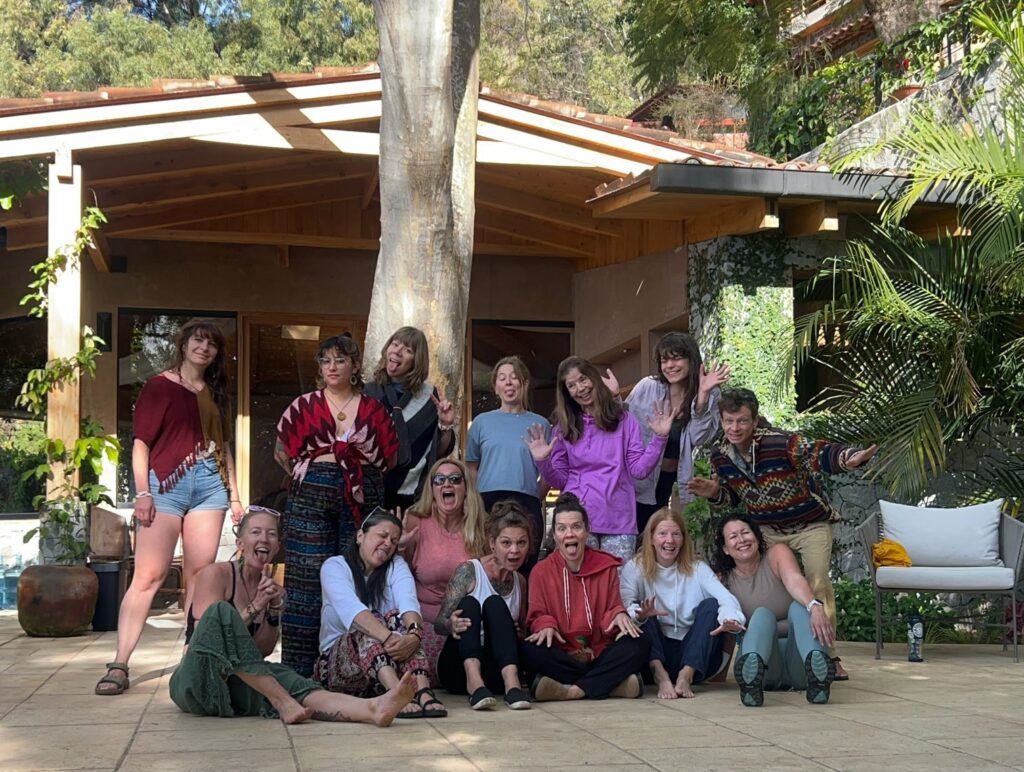
Trauma informed yoga recognizes that people come to yoga and retreat spaces carrying unseen histories: chronic stress, grief, addiction recovery, anxiety, burnout, or past experiences that live in the body. “The issues are in the tissues,” is true! A trauma informed retreat doesn’t assume what anyone has been through. It simply creates conditions where people feel supported, respected, and in control of their experience.
If you’re searching for a trauma informed yoga retreat, you’re likely not in need of all-out intense practices or aesthetic “influencer” vibes. You’re looking for safety, steadiness, and space to reconnect with yourself without pressure.
Why Trauma Informed Retreats Matter More Than Ever
In recent years, yoga retreats have grown in popularity, but not all retreats are created with nervous system safety in mind. For people with trauma or addiction histories (diagnosed or not), certain common retreat practices can actually feel overwhelming or destabilizing.
Practices some yoga retreat leaders use that aren’t the best for those with trauma histories:
Forced vulnerability
Long, silent days without support
Hands-on assists without consent
Rigid schedules or “push through” messaging
Alcohol-centered social environments
A trauma informed yoga retreat offers a different approach. It acknowledges that healing is not linear, that rest is productive, and that choice is central to well-being.
This approach is especially meaningful for people who are:
In addiction recovery or sober curious
Living with anxiety or depression
Burnt out from caregiving or high-pressure work
Returning to the body after illness, loss, or major life change
New to a yoga practice or retreats altogether
Explore all upcoming trauma informed retreats with Bigger Life Adventures
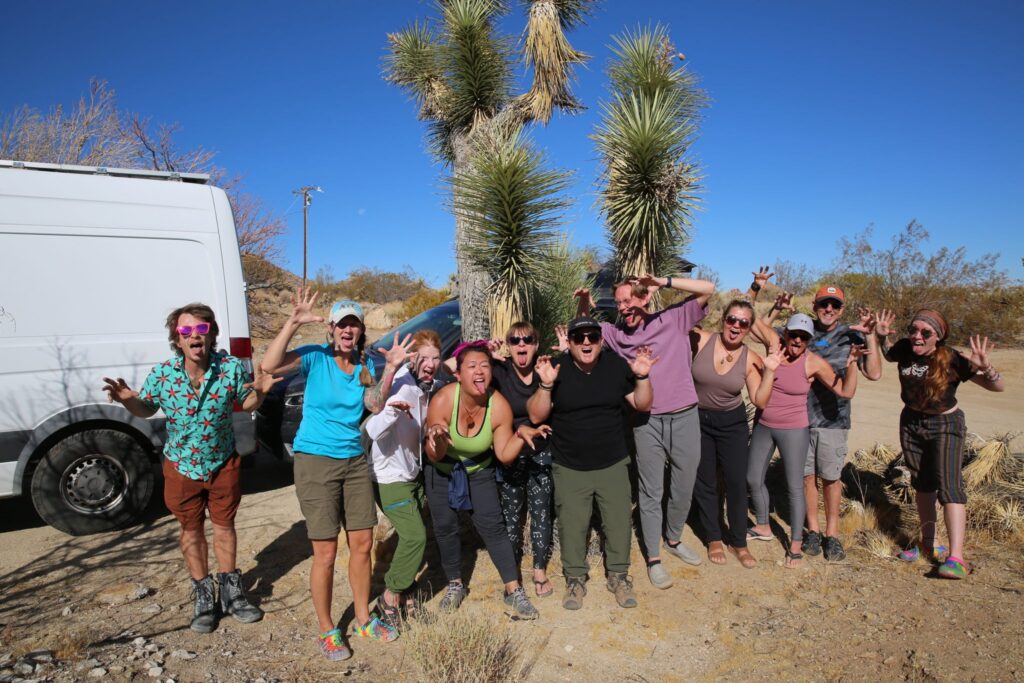
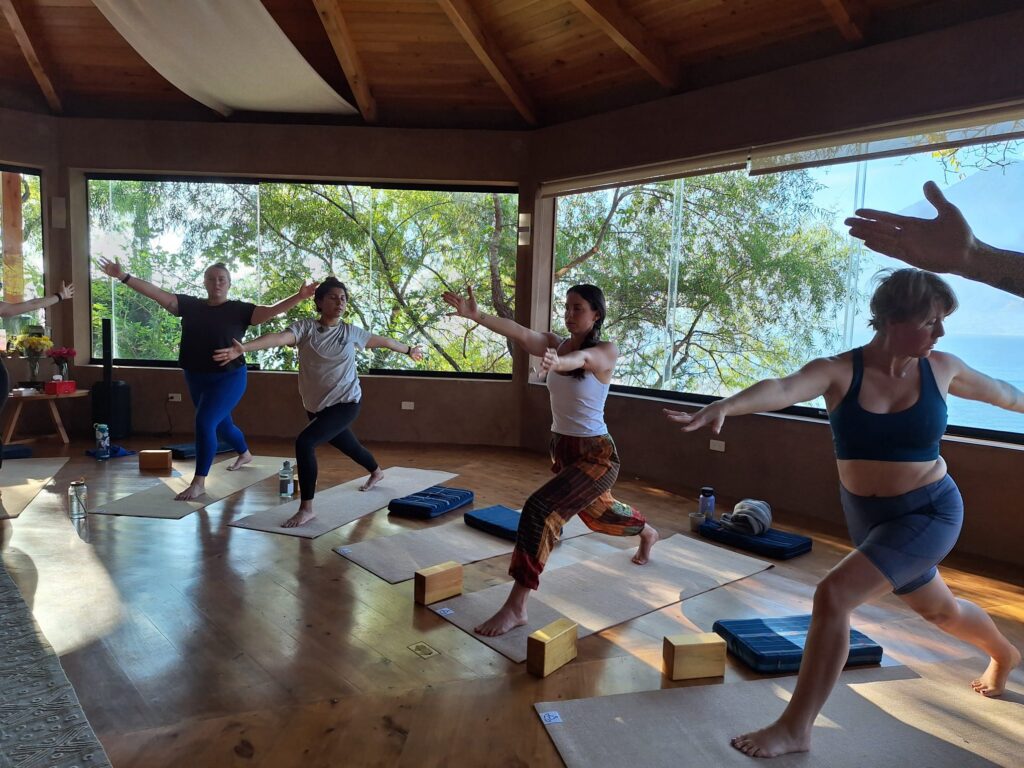
What Safety Really Looks Like in a Trauma Informed Yoga Retreat
“Safe space” has become a popular phrase, but in trauma informed work, safety is practical, embodied, and observable, not just aspirational.
Here’s what safety actually looks like in a well-designed trauma informed yoga retreat:
Clear, Consent-Based Teaching
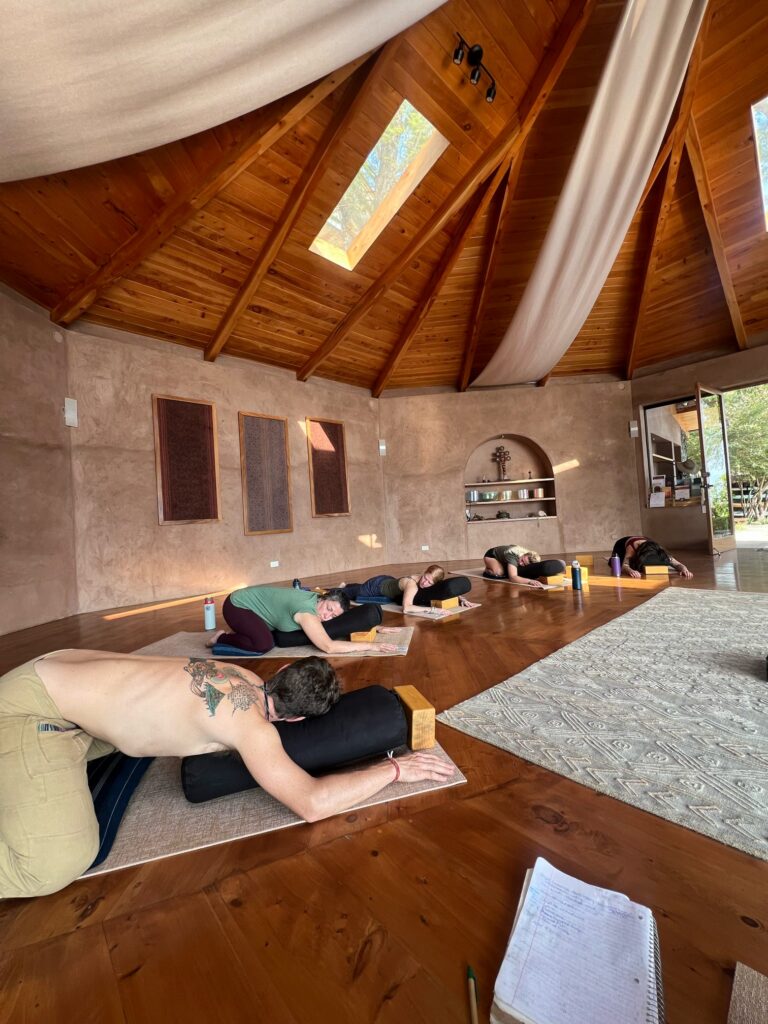
Yoga teachers should offer invitations, not commands. Teaching language during yoga classes should always emphasize choices for different experience levels and nervous system needs. Students should feel welcome take breaks whenever needed. There is no pressure to perform, keep up, or stay in a posture or meditation that doesn’t feel right.
Predictable Structure With Flexibility
Days follow a gentle rhythm so participants know what to expect, with space to opt out of activities and choose to slow down whenever needed. Schedules are shared clearly in advance, and strike a nice balance between exploration and relaxation.
Nervous System–Aware Practices
Classes focus on grounding, interoception, and regulation rather than just peak poses or emotional release. Breathwork and meditation are approached carefully, with alternatives always offered. Hands-on adjustments are not often given in trauma informed yoga practices, and when they are, guests always have the chance to receive the adjustment or opt out!
No Forced Sharing or “Trauma Dumping”
Group discussions can be super helpful for some but sharing is always optional. Silence is respected. Nobody is asked to share personal stories unless they genuinely want to. At the beginning of each retreat we create “Community Agreements” as a reminder to ask for consent before sharing on difficult subjects with others.
Trauma-Aware Staff and Facilitators
Leaders are trained not just in yoga, but in group dynamics and leadership, recognizing stress responses, holding boundaries, and responding with care to any situations that need attention.
Environment Matters
Lodging, meals, lighting, music, scents, and even transitions between activities are considered through a trauma informed lens. The goal is to reduce overstimulation, enable a digital detox, and support a sense of ease.
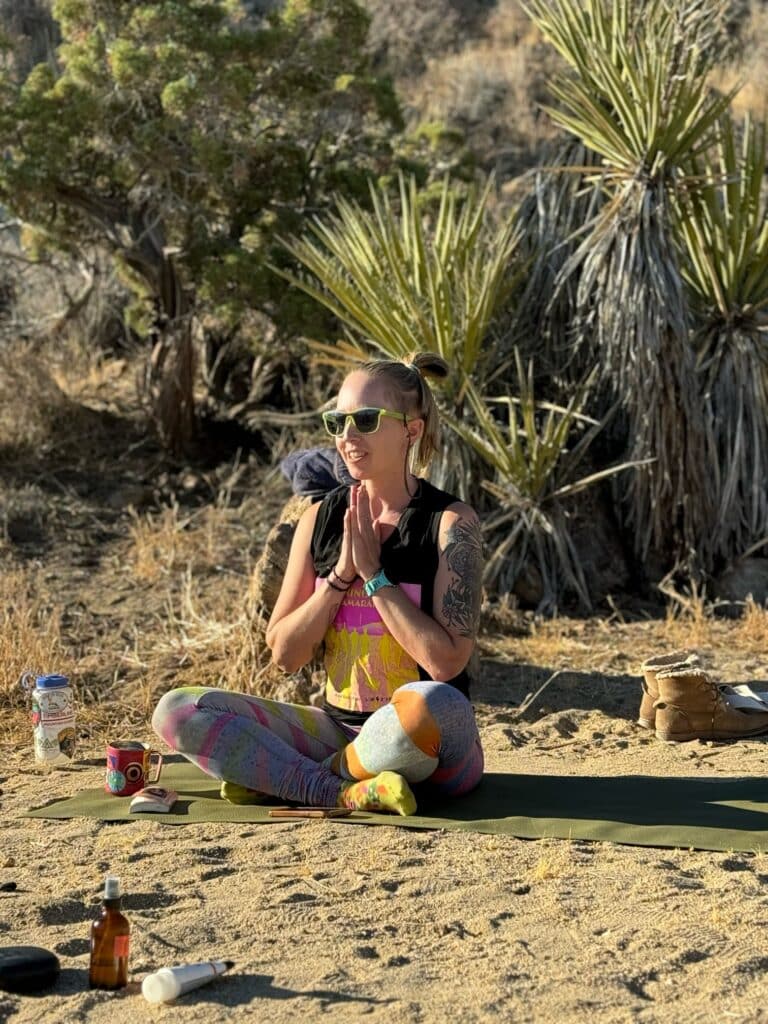
Who a Trauma Informed Yoga Retreat Is For
A trauma informed yoga retreat is not only for people who identify as having “trauma” or PTSD or are “in recovery” from addiction. In reality, it supports anyone who wants a gentler, more respectful retreat experience.
This type of retreat may be especially supportive if you:
Feel anxious in new environments
Are sober, sober curious, or navigating a new relationship with alcohol
Have felt overwhelmed or unsafe in traditional yoga spaces
Want depth without emotional pressure
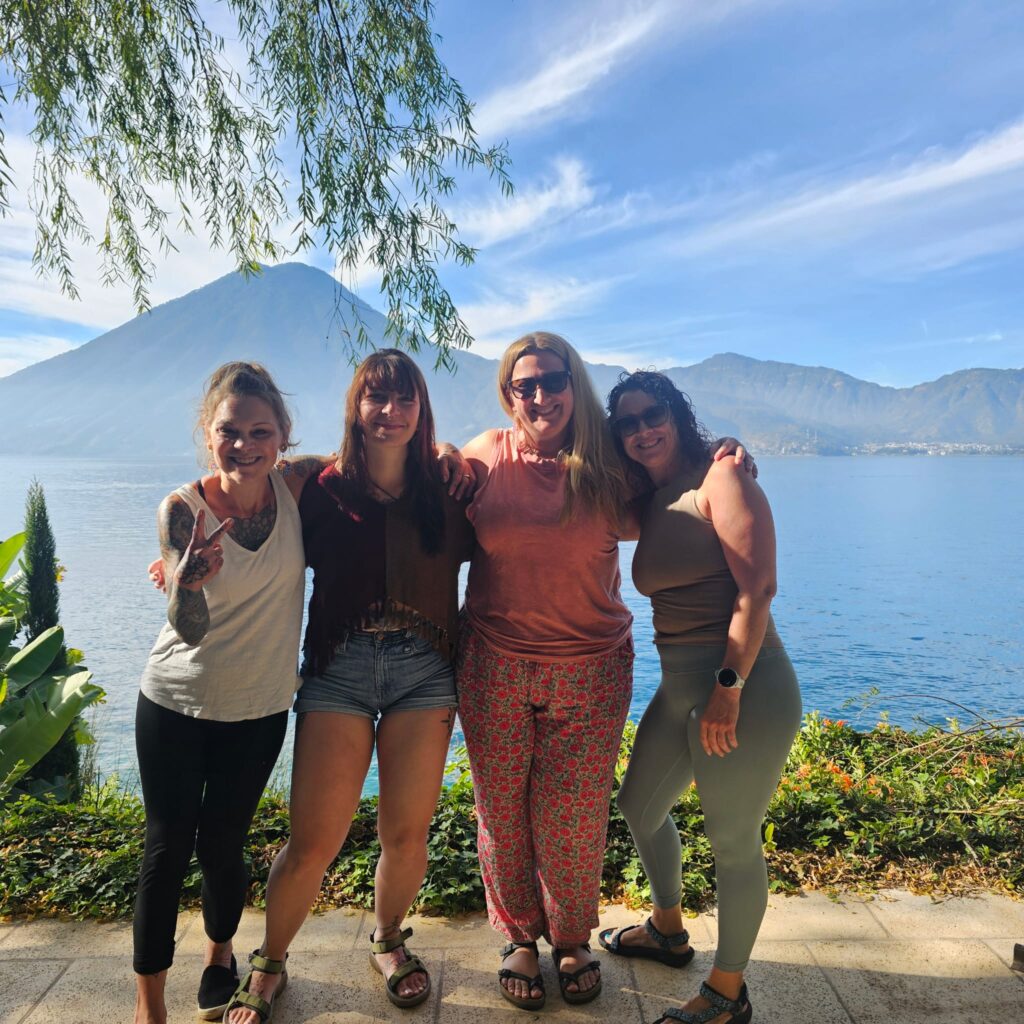
Are traveling solo and want to feel held in a supportive group with skilled leaders
Are reconnecting with your body after stress, illness, or burnout
You don’t need to explain yourself. You don’t need a diagnosis. Trauma informed spaces are open to everyone and meet you where you are.
What to Expect Day to Day
While every trauma informed yoga retreat is different, most share a similar intentional flow.
Days often include:
Optional sunrise meditation sessions
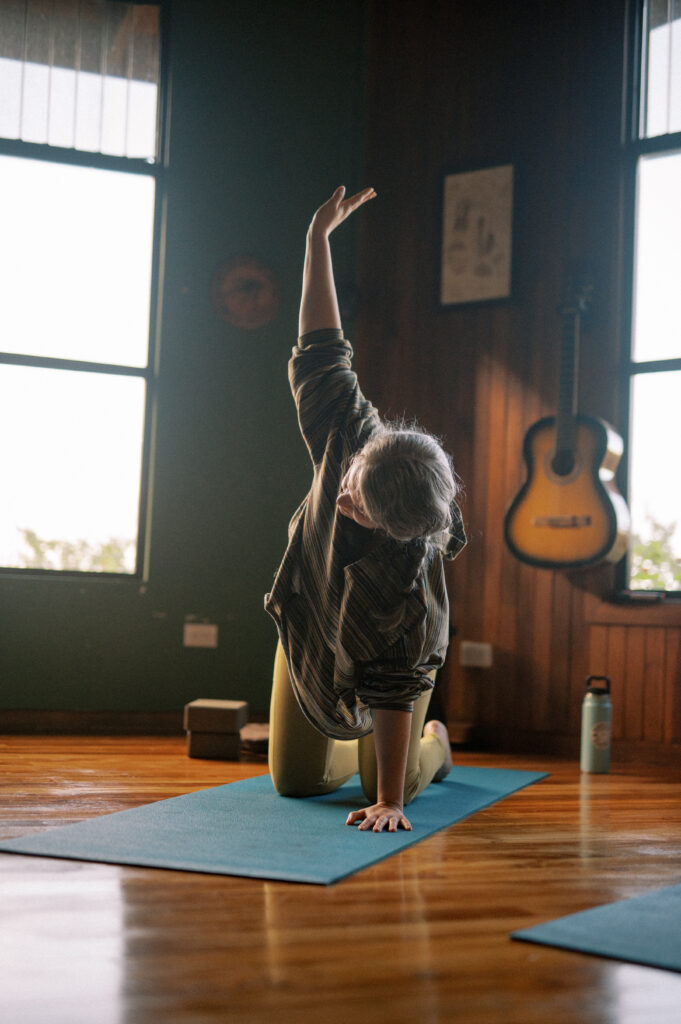
Gentle, accessible yoga practices
Nourishing, plant-based vegan meals
Time in nature both to challenge yourself on adventures and to simply be present and take it all in
Rest, journaling, and creative integration prompts
Community connection without pressure in activities like saunas/cold plunges, cacao ceremonies, and evening bonfires
Importantly, participation is always optional. Skipping a session to rest, take a walk, or simply be alone is an amazing way to practice listening to yourself.
Why Location Matters in Trauma Informed Retreats
Where a retreat is held deeply impacts how safe and regulated participants feel.
Trauma informed retreats should choose locations that offer:
Natural beauty without overstimulation
Easy access to quiet spaces
A sense of containment and privacy
Supportive local culture
Comfortable accommodations with all needs provided for
Nature itself can be regulating, especially when paired with thoughtful pacing and choice. Our retreat locations like Finca Camino Nuevo in Costa Rica and Mala Dhara Eco Resort in Thailand are mindfully designed with lovely spaces for community gathering, plus secluded meditation spots like tree nets, swings, and private ponds!
A Simple Checklist: What to Look for Before You Book
When researching a trauma informed yoga retreat, this checklist can help you discern whether the experience is truly supportive—or just using the language.
Before You Book, Ask:
Do the teachers have trauma informed training?
Is consent explicitly discussed in yoga classes?
Are practices invitational rather than directive?
Is rest built into the schedule?
Is alcohol and recreational substance use absent, in alignment with an authentic yoga practice?
Are there clear boundaries around sharing and group work?
Is there transparency about what the retreat includes and the qualifications of the instructors?
Are there options if I need space apart from the group or support?
If a retreat can’t answer these questions clearly, that’s important information.
Frequently Asked Questions about Bigger Life Adventures trauma informed yoga retreats:
What if I’m sober curious but not fully sober?
You are welcome. Our yoga retreats intentionally create alcohol-free environments to support nervous system regulation and inclusive connection for everyone, in recovery or not. You don’t need a label, just willingness to be alcohol free during the retreat.
What if I have anxiety?
Trauma informed retreats are often deeply supportive for people with anxiety. Predictability, choice, and nervous system–aware practices can help reduce overwhelm rather than amplify it.
What if I’m traveling alone?
Many participants attend trauma informed yoga retreats solo. These spaces are designed to feel welcoming without forcing social interaction. You can connect when you want and rest when you don’t.
Will this feel too gentle?
Gentle doesn’t mean shallow. Trauma informed yoga often leads to profound shifts, simply without force. Depth comes from experiencing safety to open up, not intensity. We teach in a way that gives options to everyone: physical challenge for those who crave it, and slow gentleness for those who need less movement.
Learn about our founders, values, and approach to guiding retreats!
Accessibility matters so much for trauma informed yoga retreats!
Those who can benefit most from a trauma informed retreat are not always the ones who can afford it. We offer half-price retreat scholarships for anyone who would love to attend a retreat but cannot afford the full price.
A trauma informed yoga retreat isn’t about fixing yourself. It’s about creating the conditions where your body, mind, and nervous system can finally exhale.
If you’re ready for a retreat experience rooted in safety, choice, and genuine care, we invite you to take the next step.