
Yoga Goddesses, Women’s Liberation, & the Power of Shakti in 2026
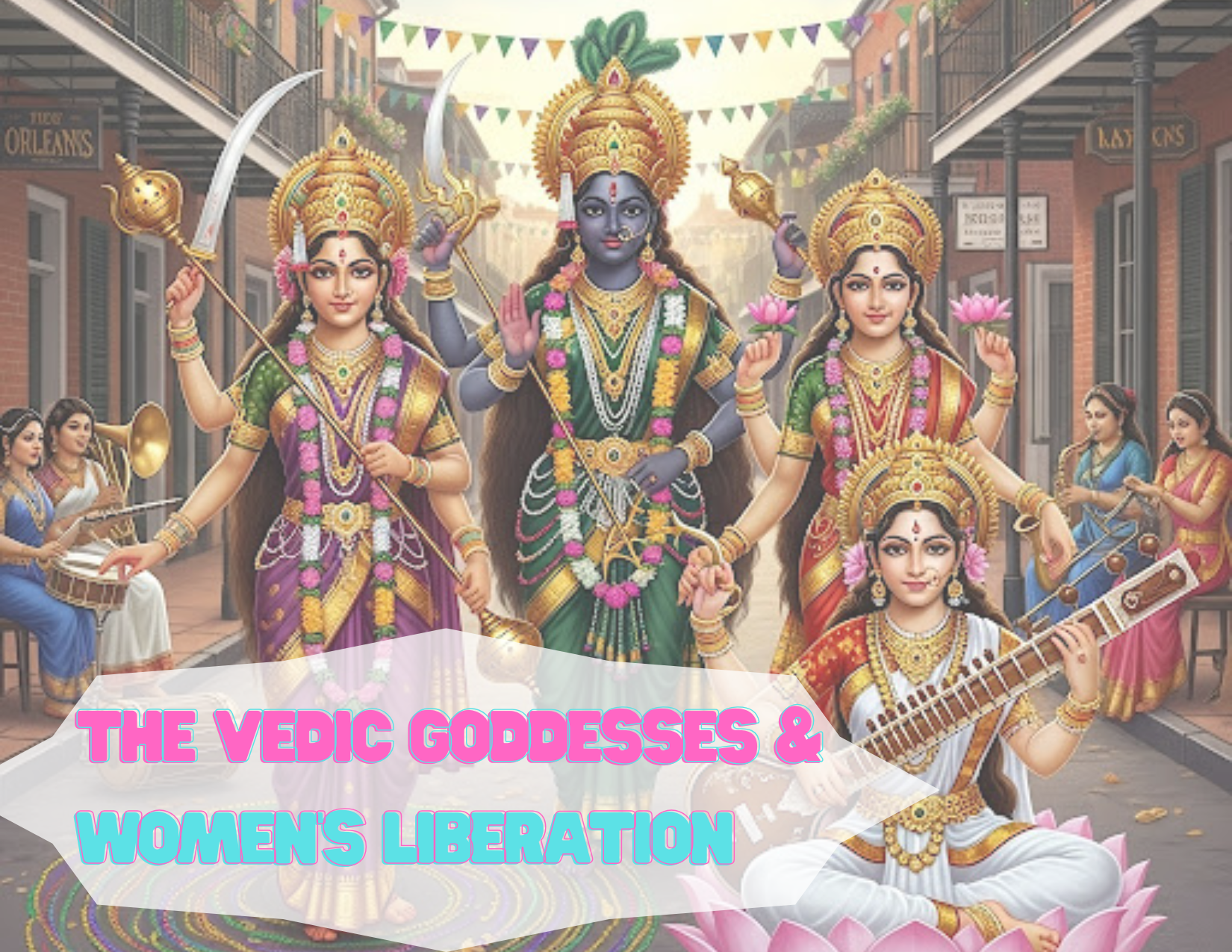
Lessons from the Yoga Goddesses on Women’s Power
The yoga goddesses and women’s power are still intertwined in 2026. The goddesses of yoga mythology are not side characters. They are creators, destroyers, warriors, lovers, teachers, and forces of liberation. They embody shakti which is the feminine aspect of divine consciousness. Shakti is the dynamic, creative, animating power of the universe. In 2026 America, where women’s rights, identities, and societal roles are constantly undergoing pressure and reinvention, the yogic goddesses offer something more than spiritual symbolism. They offer frameworks for understanding feminine power, resistance, and freedom in a fragmented modern world that strives to keep women in oppressive boxes.
Rather than prescribing a single “role” for women, the goddesses of yoga mythology display authenticity and multiplicity. They remind us that liberation is not about fitting into a better box. It’s about refusing the box altogether, or maybe even blowing it up from the inside.
Shakti is the feminine aspect of the divine which exists within the classical yoga goddesses and women’s power today
At the heart of yoga mythology is the idea that feminine power, or shakti, is equal and interwoven with the male divine power, known as Shiva. Shakti is not derivative of Shiva or lesser than Shiva. The two are independently powerful yet also locked in the divine dance of creation. Shakti does not need permission, validation, or external authority. She is power.
In the United States in 2025, this lesson cuts sharply against political and cultural narratives that frame women’s autonomy—over their bodies, labor, identities, and families—as conditional or negotiable. Shakti teaches that power is inherent. It is not something women must earn by being agreeable, productive, or palatable.
This reframes liberation: not as a future reward, but as a present truth that systems may suppress but cannot erase. When we remember that we are already free, no one can bring us down. The key is using yoga practices and tools to remember this truth.
Durga: The Myth of the “Nice” Woman
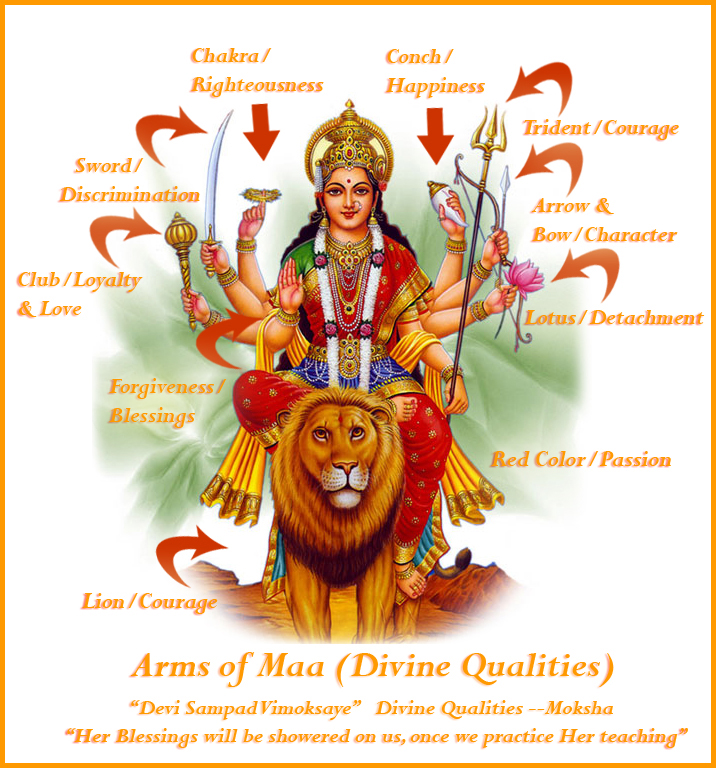
Source: https://indiacurrents.com/what-does-goddess-durga-symbolize/
Durga is created when the gods realize they cannot defeat chaos without her. Although often depicted as a protective mother, she rides a lion, wields weapons, and destroys demons that threaten cosmic balance.
Durga dismantles the persistent American expectation that women must be “nice,” conciliatory, and endlessly patient to be worthy of respect. In 2026—amid backlash against women who speak forcefully in politics, protest, or leadership—Durga reminds us that anger can be sacred, boundaries can be holy, and protection is a form of love.
She teaches that women are not responsible for making injustice comfortable.
Kali: Liberation Through Destruction
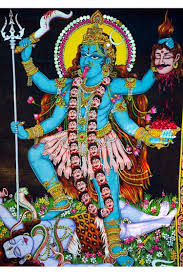
Source: https://thegoddessgarden.com/the-hindu-goddess-kali/
Kali is perhaps the most misunderstood goddess—wild, blood-soaked, dancing on the edge of social order. But Kali does not destroy for pleasure. She destroys what no longer serves life.
In a moment when many women in the U.S. are consciously rejecting inherited scripts—around marriage, motherhood, hustle culture, gender norms, and silence—Kali becomes profoundly relevant. She affirms that liberation often requires loss: of identities, relationships, illusions, and systems that once provided safety but now demand self-erasure.
Kali’s lesson is uncomfortable but necessary: freedom may look chaotic before it looks beautiful.
Saraswati: Knowledge as Resistance
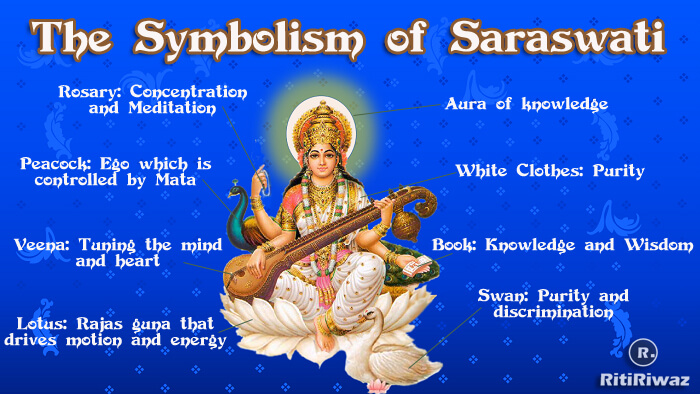
Source: https://www.ritiriwaz.com/maa-saraswati-the-goddess-of-knowledge/
Saraswati, goddess of wisdom, language, and learning, reminds us that control over knowledge is control over power. In 2026, with book bans, curriculum restrictions, and attacks on academic freedom disproportionately affecting women and marginalized communities, Saraswati’s presence feels urgent.
She teaches that women’s voices—especially when they educate, write, question, and remember—are acts of resistance. Liberation is not only fought in the streets or courts; it is cultivated in classrooms, libraries, podcasts, journals, and conversations that refuse erasure.
Lakshmi: Redefining Prosperity
Source: https://www.lotussculpture.com/sri-lakshmi-hindu-god-meaning-symbolism-lotus.html?srsltid=AfmBOooXeialIXOubo9CoR6FbJFx9zMeqO1_ojLva96IlpZsa448x913
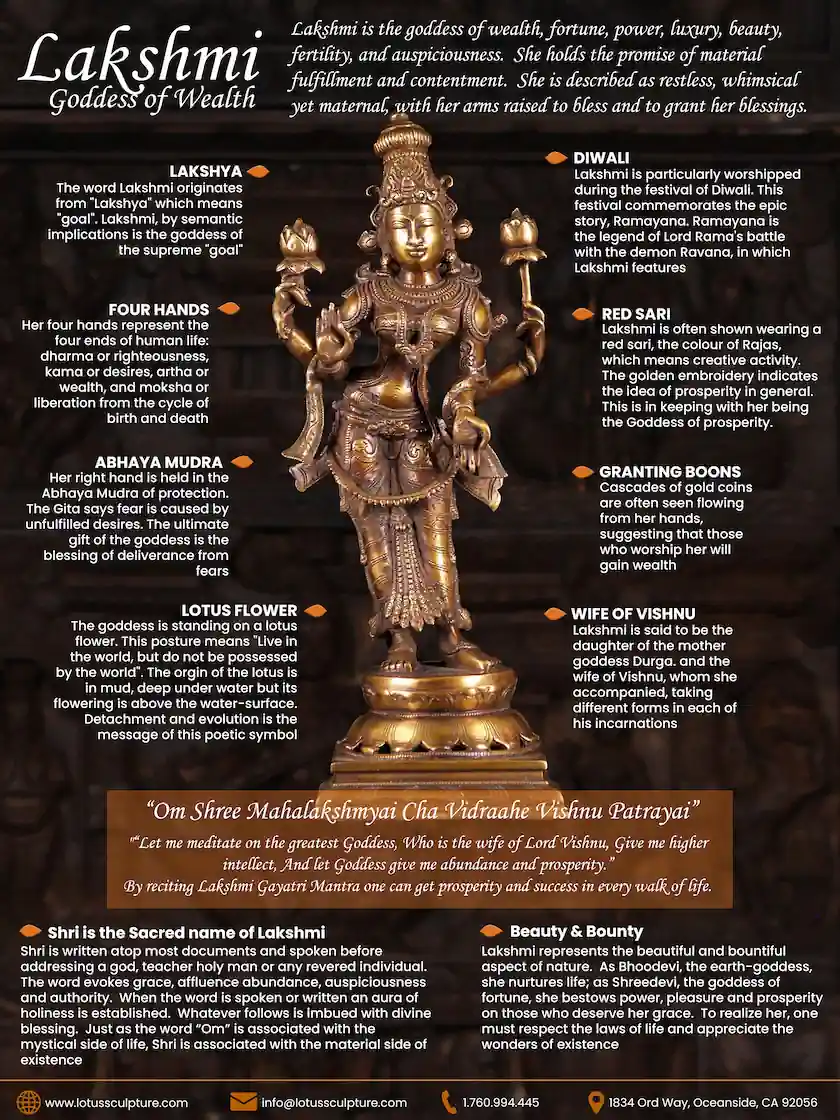
Lakshmi represents abundance, but not merely wealth. She symbolizes well-being, beauty, dignity, and balance.
In a U.S. economy where women’s labor is still undervalued and underpaid and burnout is normalized, Lakshmi challenges the idea that worth is measured solely by productivity. She invites a broader vision of success—one that includes rest, care, creativity, and collective flourishing.
Lakshmi’s lesson for 2026 is radical: a society that exhausts women is not prosperous, no matter what the stock market says. A Lakshmi-inspired transformation we desperately need would enable all to thrive through a balanced abundance of purpose, rest, beauty, and diligent spiritual practice.
The Yoga Goddesses and Women’s Power: Beyond Empowerment Toward Liberation
Modern yoga culture in the United States often flattens these goddesses into vague symbols of “empowerment.” But empowerment implies that power is given. Authentic yoga mythology instead teaches that shakti’s power is already within all beings and simply must be remembered.
Durga, Kali, Saraswati, and Lakshmi teach that women’s roles are not fixed, their power is not fragile, and their liberation is not a trend but a necessity. No one is free until all of us are FREE.
In 2026, as American women navigate legal uncertainty, cultural backlash, and unprecedented creativity and solidarity, the goddesses of yoga mythology offer an ancient but urgent reminder:
You are allowed to be fierce.
You are allowed to be tender.
You are allowed to destroy what harms you.
You are allowed to create what has never existed before.
And you were never meant to be only one thing.
Goddess-Inspired Women’s Retreat in New Orleans
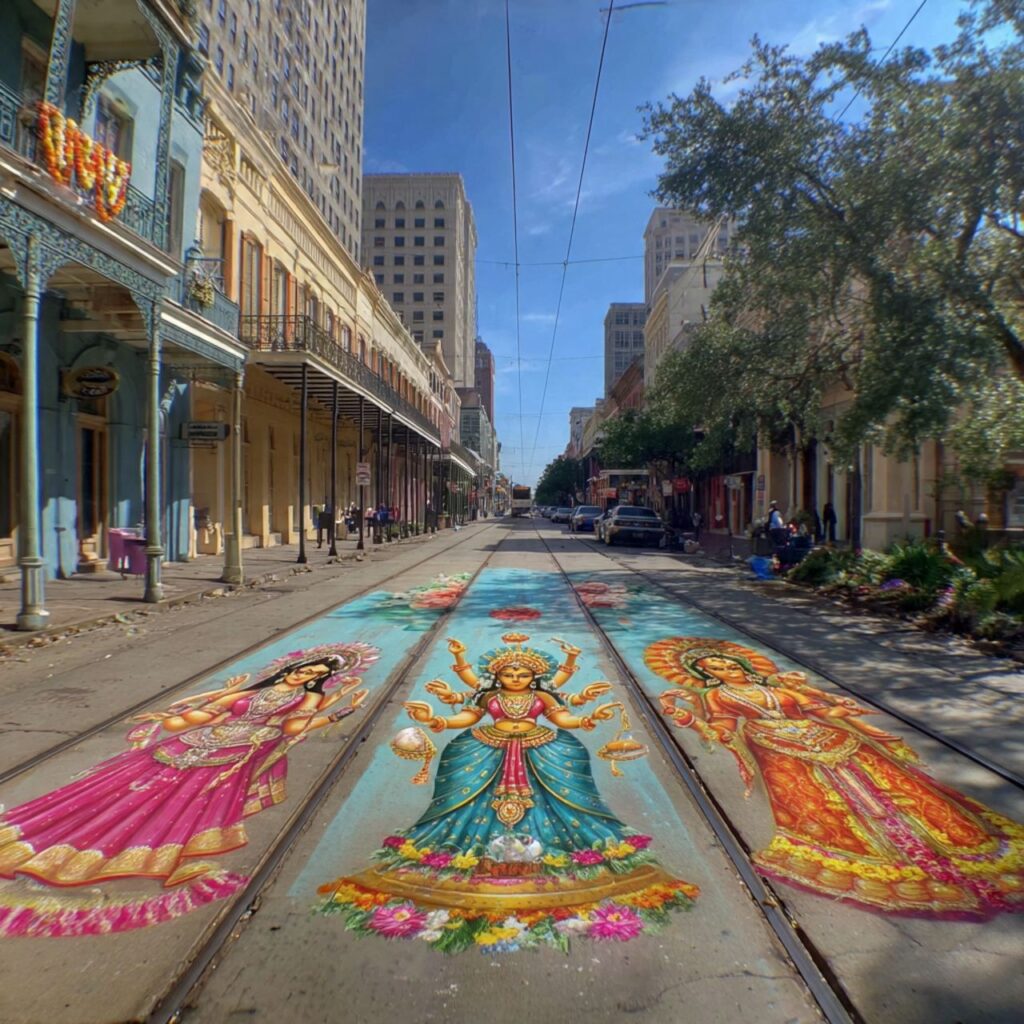
In yoga philosophy, shakti is the feminine divine aspect — the creative, life-force energy within all of us. Not a goddess outside of you, but the power that moves, heals, transforms, and awakens from within. Our women’s retreat and cultural tour in New Orleans is an invitation to remember and embody shakti goddess energy in your own way. New Orleans doesn’t ask you to be polished or perfect. Like the goddesses, it asks you to be fully alive.
Come as you are. Leave renewed. 🌸