
Trauma-Informed Yoga Retreats: How Are They Different?
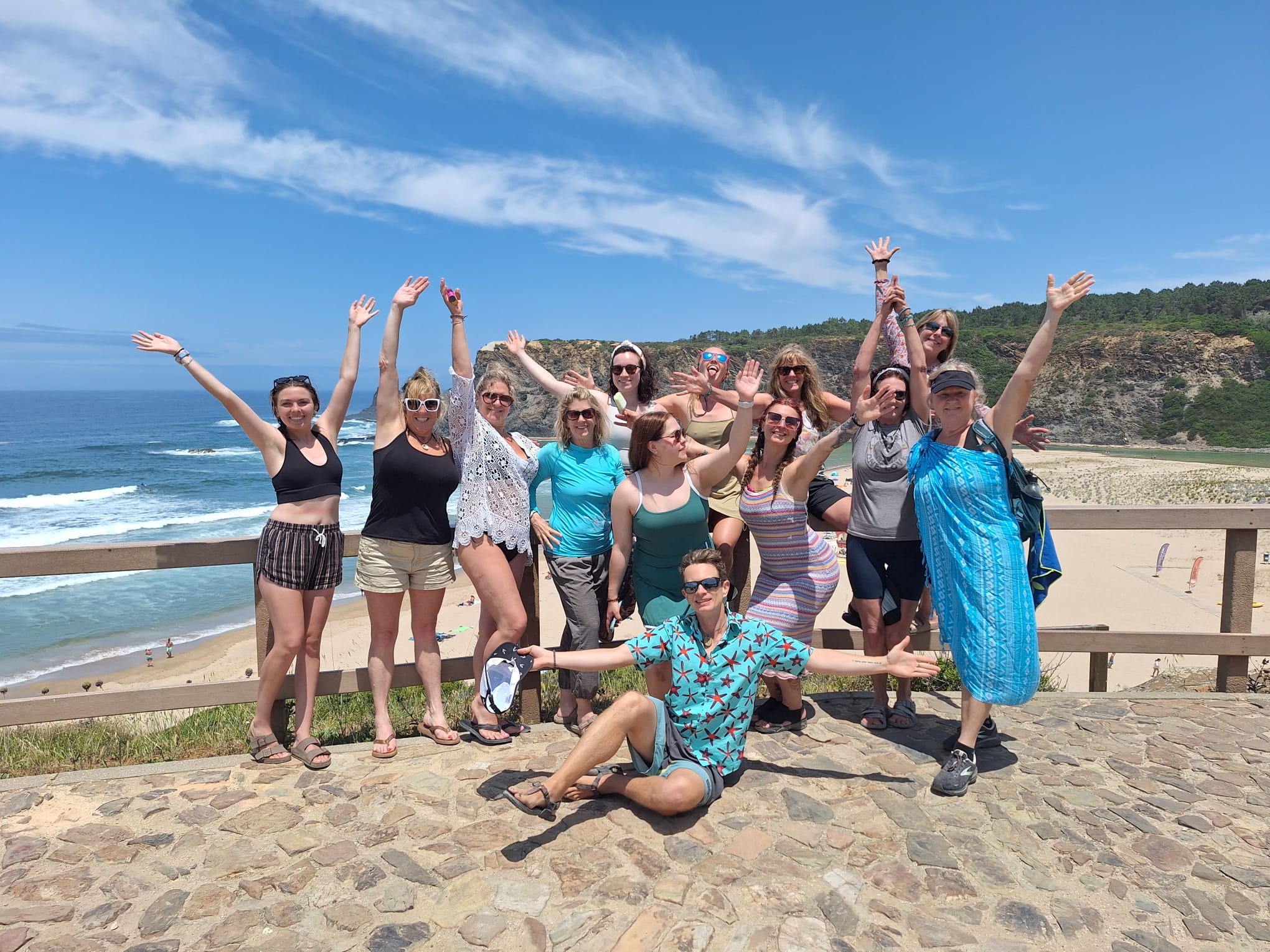
Trauma-Informed Yoga Retreats Include and Empower Everyone
Trauma-informed yoga retreats have emerged as powerful sanctuaries for healing—offering more than just physical movement, but a compassionate space for emotional restoration and self-discovery. Unlike traditional yoga getaways, these retreats are intentionally designed to honor the complexities of trauma, integrating gentle practices, choice-based language, and a deep emphasis on safety and empowerment. Whether you’re beginning your healing journey or seeking to deepen your self-awareness, a trauma-informed yoga retreat can be a meaningful step toward reconnecting with your body, calming your nervous system, and cultivating a sense of inner peace.
Explore our Upcoming Retreats Here.

“Yoga is not about touching your toes, it is about what you learn on the way down.” – TKV Deskichar, founder of the field of Yoga Therapy
This sentiment reflects the core principles of trauma-informed yoga, which focuses not only on physical postures but also on facilitating a personal journey of healing and understanding. It encourages practitioners to explore their inner worlds, fostering a safe space for presence, connection, and growth.
The conversation around mental health and trauma has expanded significantly. With greater awareness about the impact of adverse experiences on physical and emotional well-being, the integration of trauma-informed practices into various fields, including yoga retreats and group travel experiences, has become increasingly essential. This blog post delves into what trauma-informed yoga is and why we believe ALL yoga retreats should be trauma-sensitive.
What is Trauma-Informed Yoga?
Trauma-informed yoga is a practice that recognizes the significant impact of trauma on the human nervous system and strives to provide a safe and supportive environment for healing. It is grounded in the principles of safety, trustworthiness, peer support, collaboration, empowerment, and cultural humility.
In a trauma-informed yoga class or yoga retreat, instructors are not only aware of the potential triggers but also adapt their teaching methods to create a supportive and inclusive atmosphere. This might involve:
Providing Choice: Allowing students to choose their movements on the mat, and to choose how which practices and activities are right for them fosters a sense of agency.
Grounding Techniques: Encouraging grounding exercises helps students feel more connected to their bodies and present in the moment.
Mindful Language: Using inclusive and sensitive language avoids reinforcing trauma triggers, making everyone feel welcome and respected. The emphasis is on encouraging interoception – the ability to feel what’s going on inside – rather than on alignment or striving to advance poses.
Creating Safe Spaces: Structuring the environment to minimize anxiety and facilitate comfort can help students feel secure during practice. There are usually no hands-on adjustments during a trauma-informed yoga class.
There are many more factors to consider when striving to facilitate a class or event in a trauma-informed way. We recommend any interested yoga teachers take a Trauma-Informed Yoga teacher training whenever possible.
How is a Trauma-Informed Yoga Retreat Different?
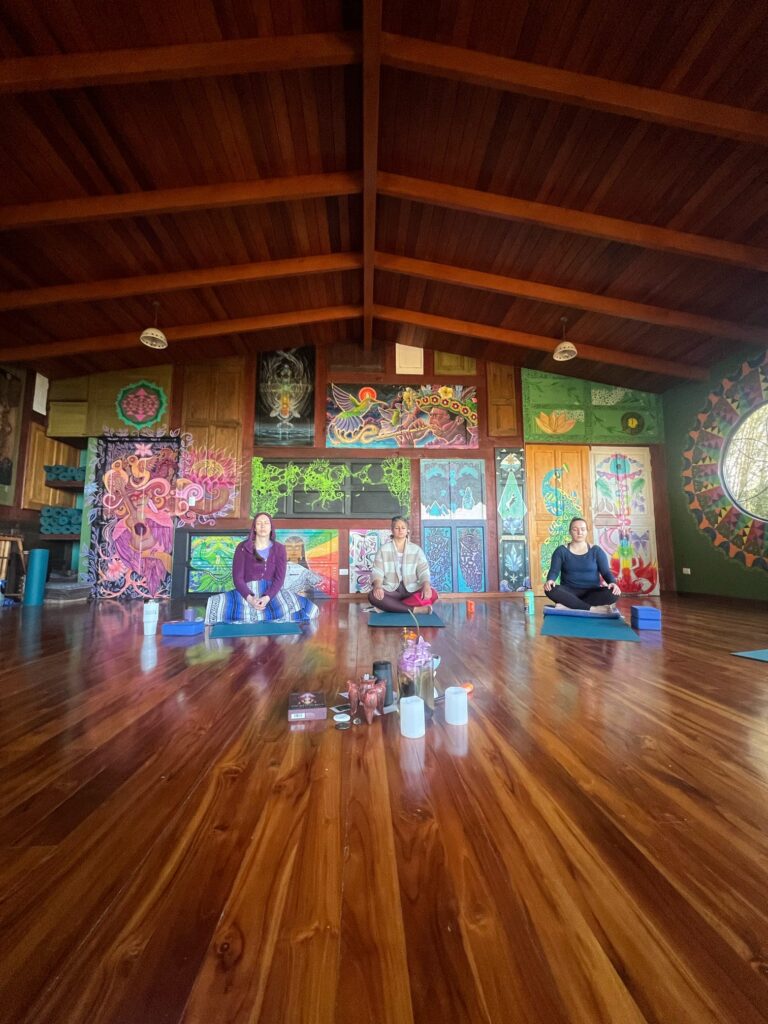

All yoga retreats should be trauma-informed because yoga, while healing, can also unintentionally trigger trauma responses if not facilitated with care. Trauma-informed practices create safer, more inclusive environments that support all participants—especially those with a history of trauma, which is more common than many realize. Here’s why it’s essential:
1. Trauma is Widespread
-
A large portion of the population has experienced some form of trauma—whether from abuse, accidents, systemic oppression, grief, or chronic stress.
-
Many people turn to yoga to heal from these experiences. If a retreat is not trauma-informed, it may unintentionally harm the very people seeking restoration.
2. Yoga Can Activate Trauma Responses
-
Certain poses, breathing techniques, physical assists, or even the language used can trigger memories, dissociation, panic, or emotional distress.
-
Trauma-informed yoga prioritizes choice, body autonomy, and present-moment awareness, helping participants stay grounded and safe.
3. Trauma-Informed Facilitation Creates a Safer Space for All
-
Trauma-informed does not mean trauma-focused—we’re not giving therapy or forcing healing. It means cultivating a space that:
-
Respects boundaries
-
Avoids assumptions about people’s experiences
-
Emphasizes consent and empowerment
-
-
These principles benefit everyone, not just those with known trauma histories.
4. Trauma-Informed Yoga Retreats Promote Inclusion and Accessibility
-
Traditional yoga spaces can sometimes exclude marginalized or vulnerable groups.
-
A trauma-informed approach is inherently more inclusive, helping retreats be welcoming to people of diverse backgrounds, bodies, and life experiences.
5.Trauma-Informed Yoga Retreats Build Trust and Integrity
-
Trauma-informed facilitators model compassion, consent, and transparency—qualities that build deeper trust between teacher and student.
-
This leads to more genuine healing and a more impactful retreat experience.
In short, making all yoga retreats trauma-informed is not just a “nice to have”—it’s an ethical and compassionate standard that supports safe, transformative experiences for everyone
Conclusion
Trauma-informed yoga is not just a trend; it is an essential approach that addresses the unique challenges faced by individuals carrying the weight of trauma. As yoga teachers, embracing this understanding not only enhances our teaching but profoundly impacts our students’ lives.
By committing to this compassionate and informed approach, we take meaningful steps toward creating a yoga community where everyone feels welcomed, safe, and empowered to heal. As the landscape of mental health continues to evolve, it is vital for yoga instructors to learn, grow, and adapt, making the practice accessible and valuable for all.
At Bigger Life Adventures we always do our best to create safe, trauma-informed retreat spaces. Our hope is that by trying something new, like a yoga retreat, you find a chance to explore your inner world and push the edges of your comfort zone.